Become a Member
 login
login
Why People with Disabilities Are Over-Represented in Poverty
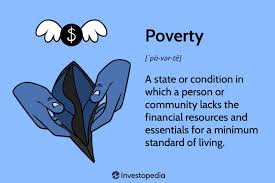
People with disabilities are far more likely to live in poverty — not because of disability itself, but because of systemic barriers that limit opportunity, income, and stability.
Barriers to Employment
Many people with disabilities face:
Workplace discrimination and stigma
Inaccessible job sites or technology
Limited accommodations or inflexible schedules
Underemployment despite skills and experience
This results in lower wages, fewer job opportunities, and unstable income.
The High Cost of Living with a Disability
Disability often comes with extra, unavoidable expenses, including:
Mobility devices and assistive technology
Medical supplies and prescriptions
Specialized transportation
Accessibility modifications to housing
These costs are rarely fully covered by benefits or insurance.
Inadequate Income Supports
Disability benefits are often below the poverty line and may:
Penalize people for working or saving
Be slow, complex, and difficult to navigate
Require repeated proof of disability
This traps many people in cycles of poverty rather than supporting independence.
Housing Inaccessibility
Accessible housing is limited and expensive. Many people with disabilities are forced to choose between:
Unsafe or inaccessible housing
Paying more for suitable accommodations
Living far from services, work, and community supports
Attitudinal & Systemic Barriers
Negative assumptions about disability affect hiring, housing, education, and services. These attitudes create exclusion that compounds over time, leading to long-term financial insecurity.
The Truth
Disability does not cause poverty.
Barriers, exclusion, and inadequate supports do.
That’s why Voice of Albertans with Disabilities works to:
Advocate for fair income supports
Help individuals navigate complex systems
Educate communities and employers
Promote accessibility and inclusion across Alberta
Reducing poverty for people with disabilities requires removing barriers — not lowering expectations.