Become a Member
 login
login
Winter Accessibility & Safety
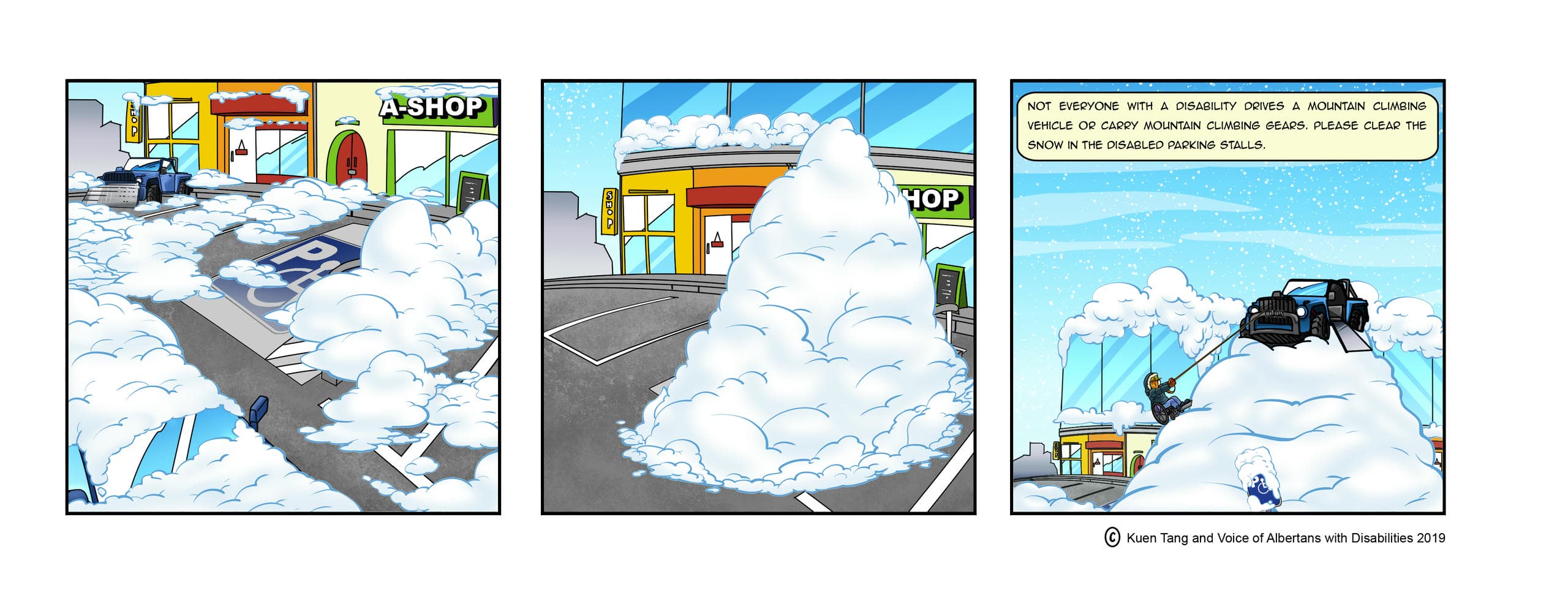
Winter in Alberta can create real challenges for many individuals with disabilities. From heavy snowfall to icy surfaces and reduced visibility, staying safe and mobile takes planning, awareness, and community support. Here are some key reminders to help make this season safer and more accessible for everyone.
Snow & Ice Safety
Keep walkways, ramps, and driveways clear and well-salted to prevent slips and falls.
Consider traction aids (ice cleats) for mobility devices like canes or walkers.
When possible, avoid travelling during heavy snowfall or extreme cold.
Use brightly coloured outerwear or reflective accessories in low-visibility conditions.
Accessible Transit Reminders
Check ETS, DATS, and regional transit alerts before heading out—weather may cause delays or detours.
Plan extra travel time and pack essentials: phone charger, medication, and warm layers.
Ensure pick-up and drop-off areas are cleared of snow so operators can safely assist.
Call transit providers early if you need to adjust rides due to weather.
Home Winterizing for Mobility & Sensory Needs
Install slip-resistant mats at entrances and ensure handrails are secure.
Improve lighting both indoors and outdoors to help with visibility during shorter days.
Consider sound-based cues or contrasting tape for individuals with visual or sensory impairments.
Check heating systems and emergency kits—winter storms can cause power outages.
Assistive Device Winter Maintenance
Use a small brush to remove snow and ice from wheelchair or walker wheels regularly.
Keep batteries for power chairs fully charged; cold weather drains power faster.
Apply a light lubricant to moving parts to reduce stiffness from freezing temperatures.
Carry a small repair kit with tools, gloves, and a cloth for quick adjustments.
Advocacy Tip: Reporting Dangerous Sidewalks or Barriers
Cities rely on resident reporting—don’t hesitate to report unsafe conditions. In Edmonton:
311 or the 311 app can be used to report icy sidewalks, snow-blocked curb cuts, or dangerous pathways.
When reporting, include:
Exact location (address or intersection)
Nature of the hazard
Photos if safe to take
Encourage neighbours, landlords, and businesses to keep areas accessible—it benefits the whole community.