Become a Member
 login
login
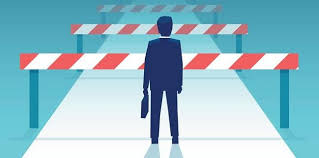
5 Everyday Barriers People with Disabilities Still Face
Inaccessible Buildings & Entrances
Steps without ramps, heavy doors, broken elevators, or “accessible” entrances tucked around the back still limit independence and dignity. Accessibility shouldn’t require special instructions or extra help.
Transportation Barriers
Limited accessible transit, unreliable booking systems, long wait times, and service gaps—especially in rural communities—make getting to work, school, or appointments far more difficult than it should be.
Digital & Information Barriers
Websites without screen-reader compatibility, videos without captions, small fonts, poor colour contrast, and complicated online forms exclude many people from essential information and services.
Attitudinal Barriers
Misunderstanding, stigma, and assumptions—such as believing someone “doesn’t look disabled”—can be just as limiting as physical barriers. These attitudes affect employment, housing, and everyday interactions.
Complex Systems & Paperwork
Navigating disability benefits, tax credits, housing supports, and healthcare often means overwhelming forms, unclear instructions, and long delays—placing extra stress on people who already face barriers.
Why this matters:
Removing barriers doesn’t just help people with disabilities—it creates stronger, more inclusive communities for everyone. That’s why Voice of Albertans with Disabilities works every day to advocate, educate, and support individuals across Alberta.